Taxes on Solar Panels, Batteries & Inverters in Pakistan: Who Will Listen to Traders?
Pakistan’s solar boom is praised around the world, but what about the traders and installers who made it happen? In this video, Waqas Khaleeq, CEO of Smart Solar, responds to the claim that no new taxes have been imposed in the last two years. He lists the taxes that, in his experience, now apply to solar panels, lithium batteries, inverters and installation. The figures below are as stated by Waqas in the video.
“No new taxes”? The view from the solar industry
Waqas argues that the solar sector has faced more new taxes in the last two years than almost any other. Solar panels used to be tax-free, which is one big reason Pakistan saw a renewable-energy revolution. He also points to a double standard: a newcomer is told nobody will ask where their investment came from, while existing businesses that earned their money honestly face constant scrutiny.
Taxes on a solar system, step by step (as described in the video)
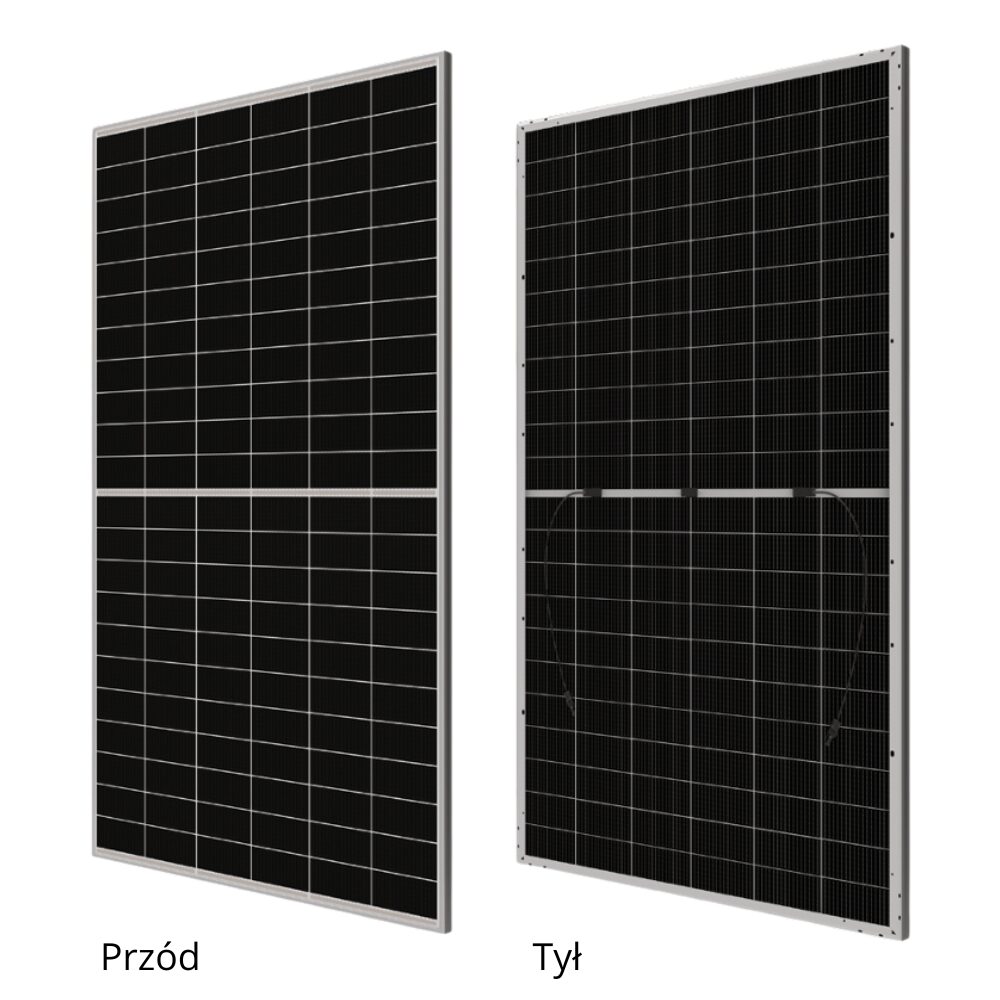
- Solar panels: 10% GST at import, plus Sindh tax when panels are imported through Karachi.
- Installation services: Punjab Revenue Authority (PRA) tax on installation.
- Selling a complete system: GST, plus withholding tax.
- Mounting structures: GST when frames are fabricated. The fabricator also pays taxes, including on the electricity used to make the frames.
- Running the business: taxes inside office electricity bills, and tax deducted from employees’ salaries.
- Year-end: FBR income tax on profit or, if there is no taxable income, a minimum turnover tax of about 1.25%. On top of this, importers often face FBR audits.
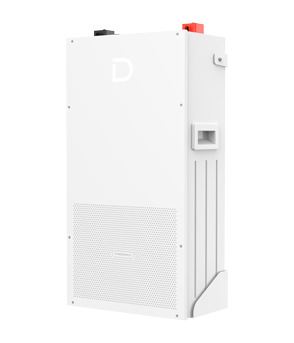
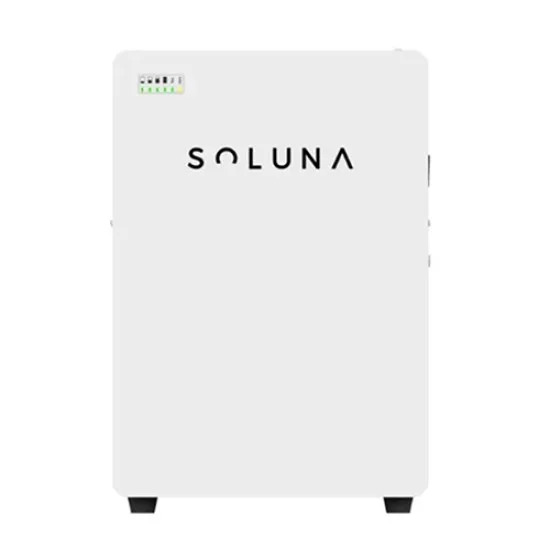
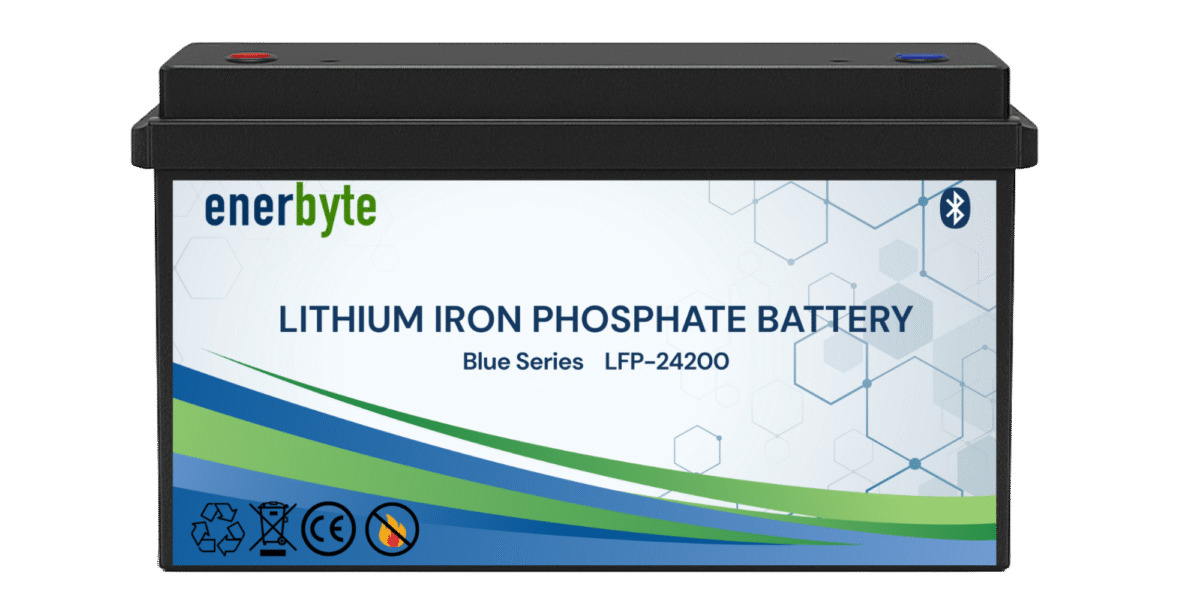
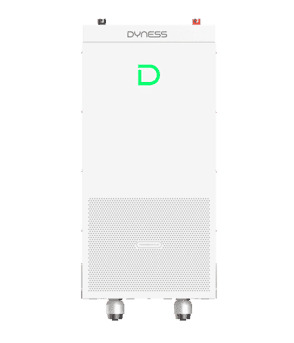
Lithium batteries: about 48% in import taxes
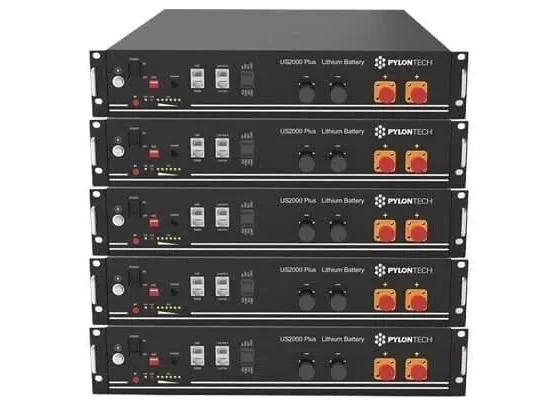
After the changes to net metering, many Pakistanis started adding batteries for night-time backup. According to Waqas, a battery that costs Rs 100,000 from China costs around Rs 148,000 once it reaches Pakistan, because of roughly 48% in taxes. He adds that the valuation rate for lithium batteries has also been raised, which increases the tax further. Then come transport costs from Karachi to Lahore, Islamabad or Abbottabad, with tax on the fuel and toll taxes along the way.
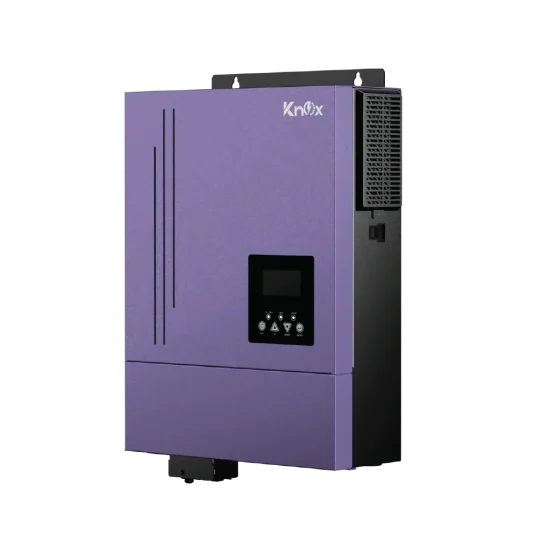
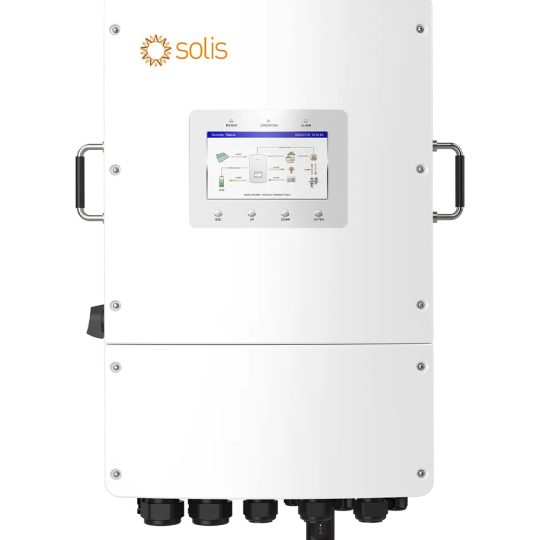
Inverters: around 21–22% in import taxes
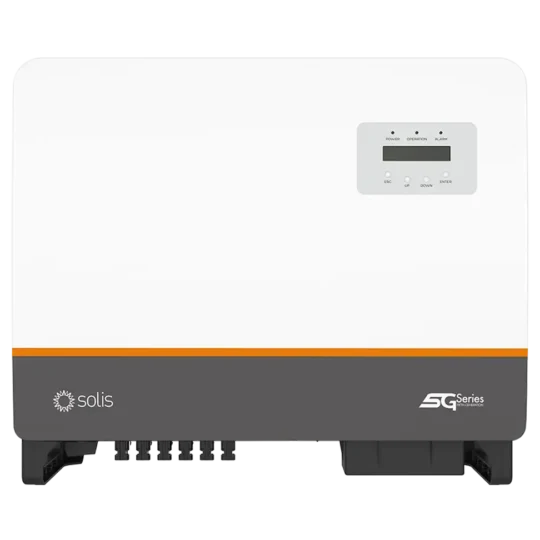
Imported solar inverters, Waqas says, carry roughly 21–22% in taxes. All of this revenue goes to the government, and much of it was introduced in the last two years.
Why batteries and solar help the country
Waqas points out that home solar and batteries reduce Pakistan’s fuel import bill. During the recent global fuel and electricity crisis, he says, Pakistan did not face the same electricity crisis as many countries, because households now generate their own power from solar and store it in batteries for the night.
Credit where it is due, and a request
Waqas makes clear that he supports the government’s work in Punjab, from cleaning up Lahore to new measures against smog and the overall beautification of the province. His request is simple: do not dismiss the trading community by saying no new taxes were imposed, and look after businesses that are already operating and struggling, not just new investors.
Note: Tax rates and rules in Pakistan change often. The figures above are as stated in the video. For your own purchase or business, confirm current rates with FBR and your provincial revenue authority.
What do you think?
Should Pakistan review its tax policy to make solar more affordable? Share your view in the comments on the YouTube video.
Compare solar prices at Smart Solar
- Solar Panels: Tier 1 panels with current prices in Pakistan.
- Lithium Batteries: home backup batteries for load-shedding and night use.
- Solar Inverters: hybrid, on-grid and off-grid inverters.
Frequently Asked Questions
Is there GST on solar panels in Pakistan?
According to Waqas Khaleeq in this video, solar panels now carry 10% GST at import, plus Sindh tax at the port. Rates change, so confirm the latest position with FBR.
Why are lithium batteries expensive in Pakistan?
In the video, Waqas says imported lithium batteries face roughly 48% in taxes, so a Rs 100,000 battery costs about Rs 148,000 after arrival, before transport costs.
How much tax is charged on imported solar inverters?
Waqas estimates around 21–22% in taxes on imported inverters.
Do installers pay tax on solar installation?
Yes. Waqas explains that installation services attract PRA tax in Punjab, and selling a complete system also involves GST and withholding tax.
Need a solar system for your home or business? WhatsApp Smart Solar at +92-310-2984444 or visit smartsolar.pk. Subscribe to Smart Solar on YouTube for more videos.
Keep watching
More Smart Solar Videos